Toronto to Montréal, reimagined
NorthStar
A more considered way to move between the cities that shape a life.
NorthStar is a future-rail concept that asks a simple question: what if an intercity journey felt as intentional as the destination?
Take the route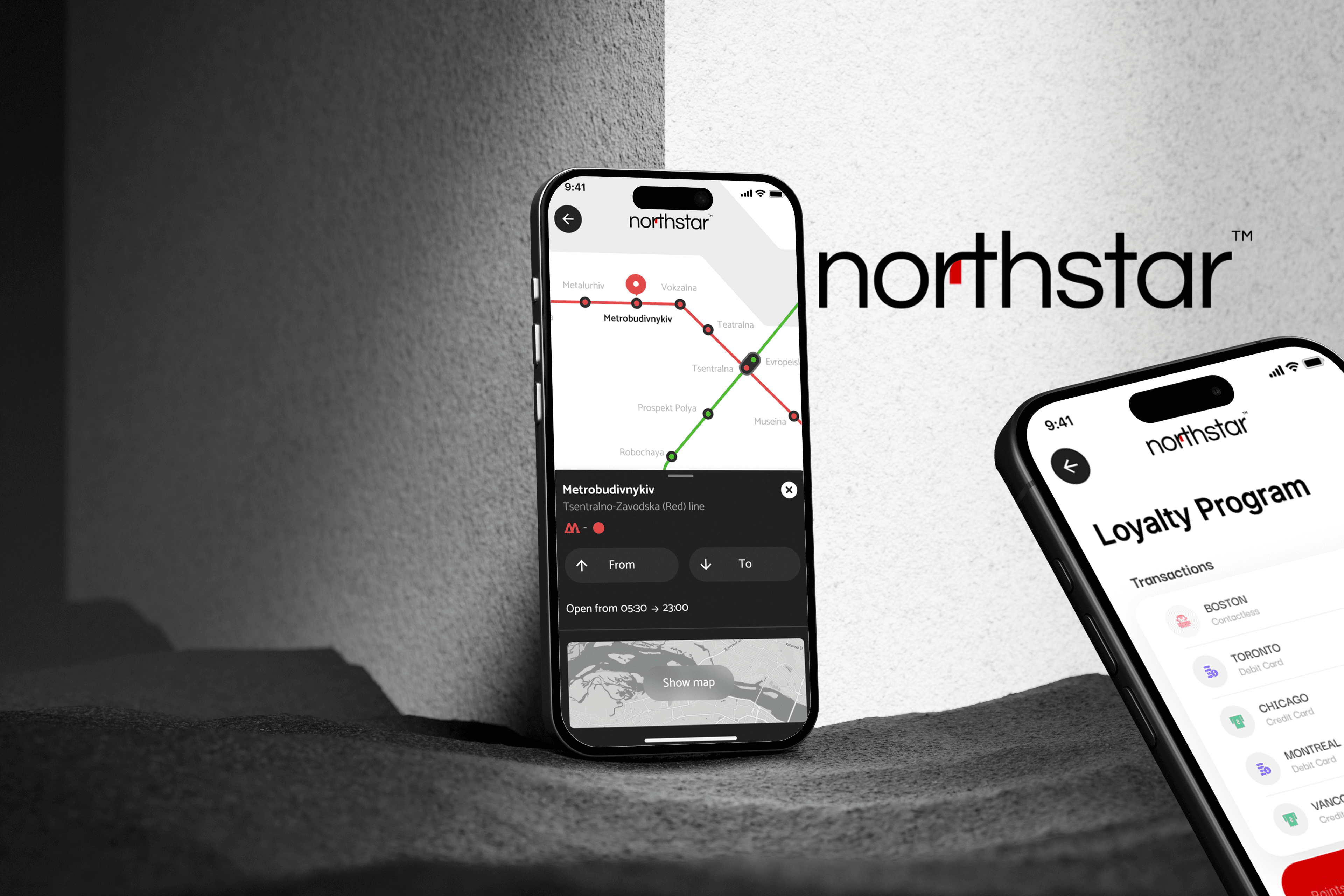
Scope
Future mobility
Role
Product design
Made in
Figma
The starting point
Too far to drive. Too close to fly. Too important to feel like an afterthought.
The Windsor to Québec corridor connects cities with a huge amount of cultural, economic, and personal exchange. Yet moving through it can still feel fragmented and designed around schedules rather than people.
NorthStar explores rail as a connected service: one that helps someone choose, prepare, travel, and arrive with more confidence and less friction.
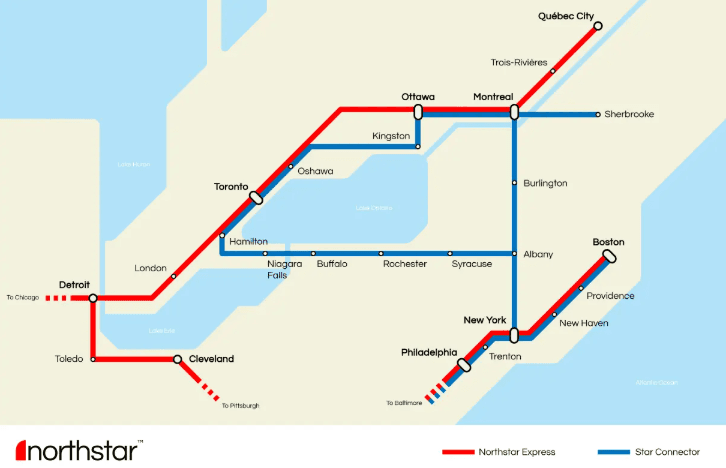
The route, made visible
The journey is more than the line between two cities.
The route view gives the concept a physical centre of gravity, connecting places, time, and the experience in between.
The questions on the route
Designing for a whole travel day, not just the booking.
Begin with the reason for the trip.
The first interaction is not a timetable. It is a way to choose a journey around timing, energy, and intent.
Let the route do some of the explaining.
A calm, spatial view gives a traveller a sense of where they are before they arrive. Progress becomes part of the experience.
Carry one idea from booking to arrival.
NorthStar uses one visual language across planning, boarding, and travel, so the day feels connected instead of assembled from separate tools.
A system in motion
Calm enough for travel. Clear enough for the next decision.
Deep blue creates a sense of containment. Signal red appears only when attention or motion needs a focal point.
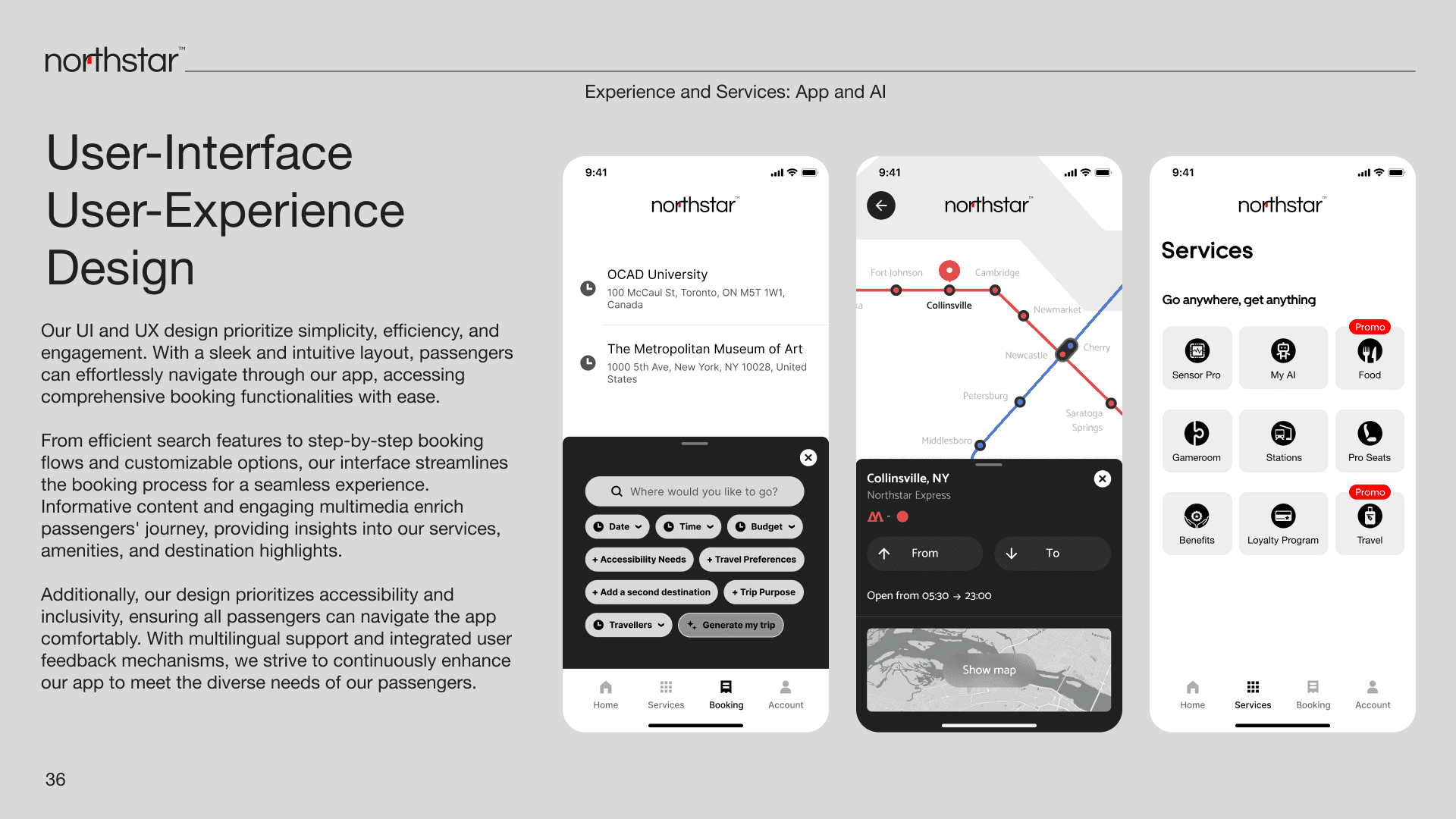
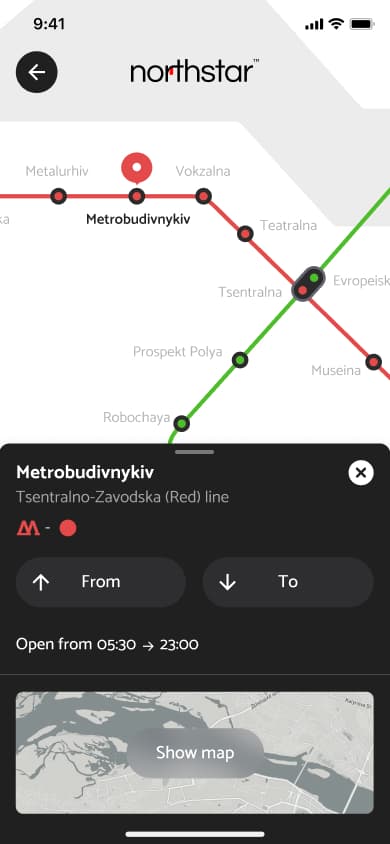
Know the station
Route context before the platform scramble.
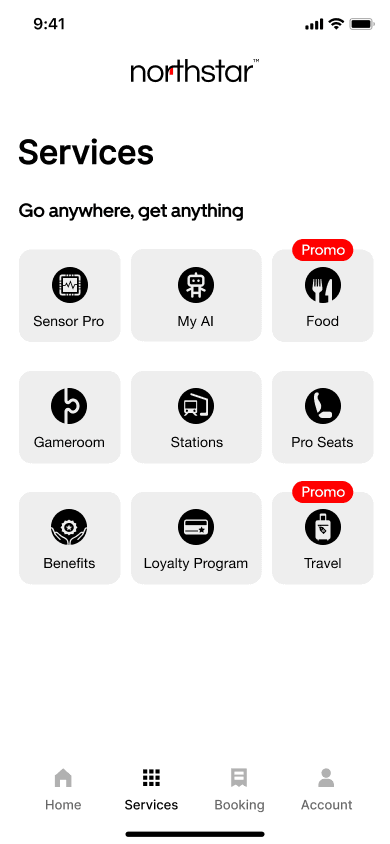
Plan the way you travel
Destination, timing, and preferences in one place.
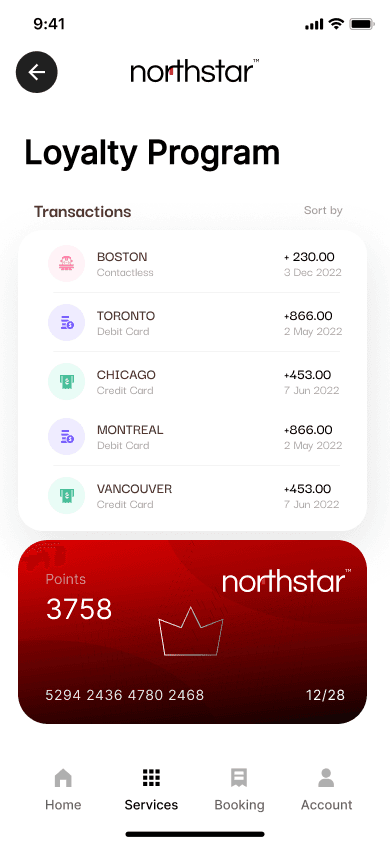
Stay in the moment
Service support that belongs to the journey.
My contribution
Making a future service feel coherent before it exists.
NorthStar was a chance to work across the service, not a single booking screen: establish the point of view, map the journey, and build an interface system that makes the concept feel internally consistent.
Experience framing
Shaped the concept around the moments before, during, and after a trip.
Interaction design
Designed the core flows, transitions, and information hierarchy in Figma.
System design
Built a visual language that holds planning, travel, and arrival together.
Next stop